Path 11
Variations and fugue
Two ways of making much from little: a theme changed again and again, and a subject passed from voice to voice.
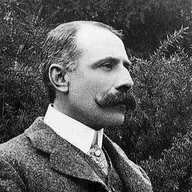
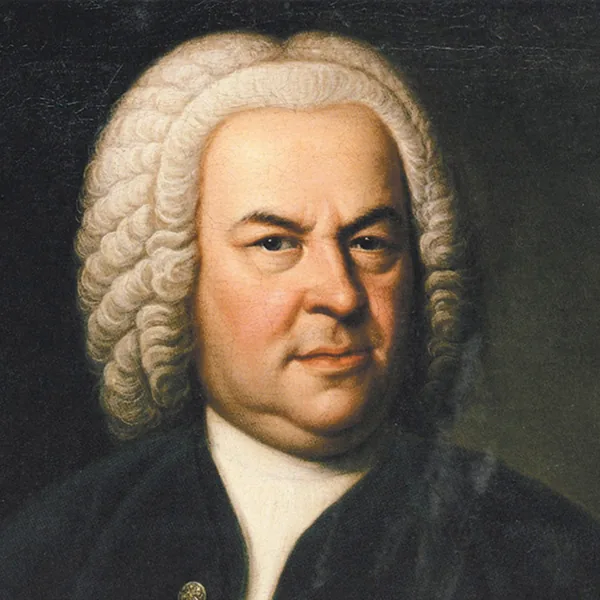
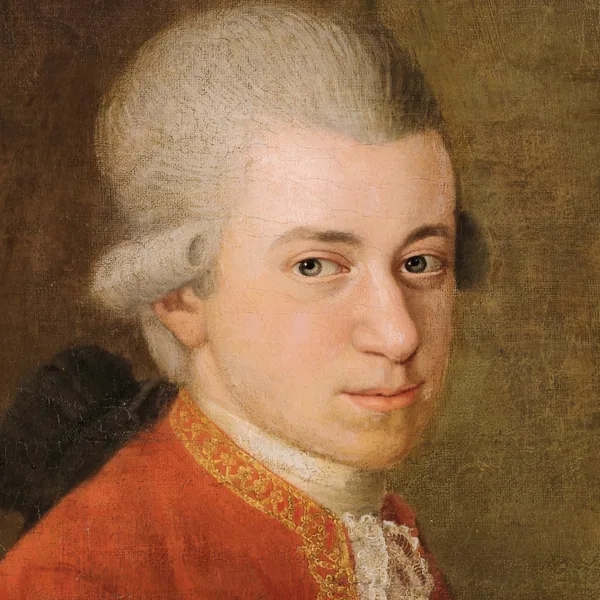
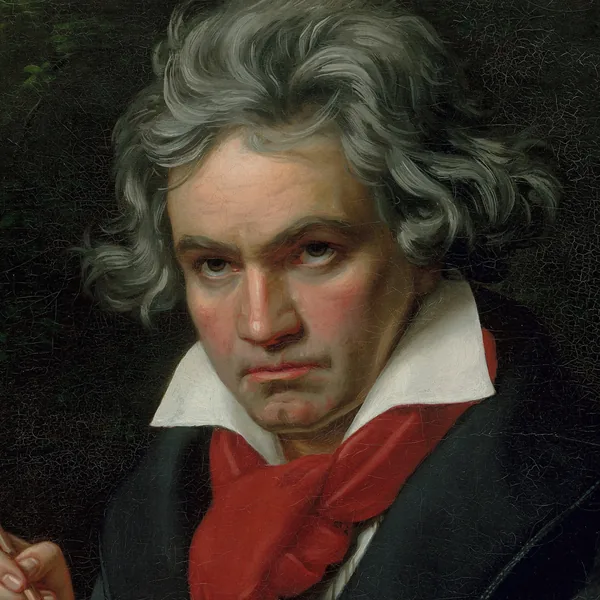
Bach → Mozart → Beethoven → Mendelssohn → Brahms → Elgar
This guide follows Elgar’s Variations on an Original Theme, Op. 36 “Enigma” (1899) in one part (theme and variations).
Premium
Follow all 16 sections as they play
The is a quiet, searching tune in G minor, and every after it portrays a friend. Nimrod is the slow, solemn heart of the work, a portrait of Elgar's friend August Jaeger. Dorabella is light and dance-like, with woodwinds gently imitating Dora Penny's stutter, and G.R.S. opens with a bulldog tumbling into a river. In the drums suggest a ship's engines while a clarinet quotes Mendelssohn, and the is Elgar's self-portrait, Variations I and IX.
Section boundaries in music are not always sharp; a transition may be felt over a pause or a held chord.
 BachPassacaglia and Fugue in C minor, BWV 582Free
 HaydnString Quartet in D major, Op. 20 No. 4HaydnString Quartet in E-flat major, Op. 33 No. 2HaydnString Quartet in G major, Op. 33 No. 5HaydnSymphony No. 81 in G major, Hob. I:81HaydnSymphony No. 82 in C major, Hob. I:82HaydnSymphony No. 88 in G major, Hob. I:88HaydnPiano Sonata in C major, Hob. XVI:48HaydnPiano Sonata in E-flat major, Hob. XVI:49HaydnSymphony No. 94 in G major, Hob. I:94
Path 11
Two ways of making much from little: a theme changed again and again, and a subject passed from voice to voice.
Bach → Mozart → Beethoven → Mendelssohn → Brahms → Elgar
Reviews