1879–1936 · Late Romantic
Ottorino Respighi
1 work
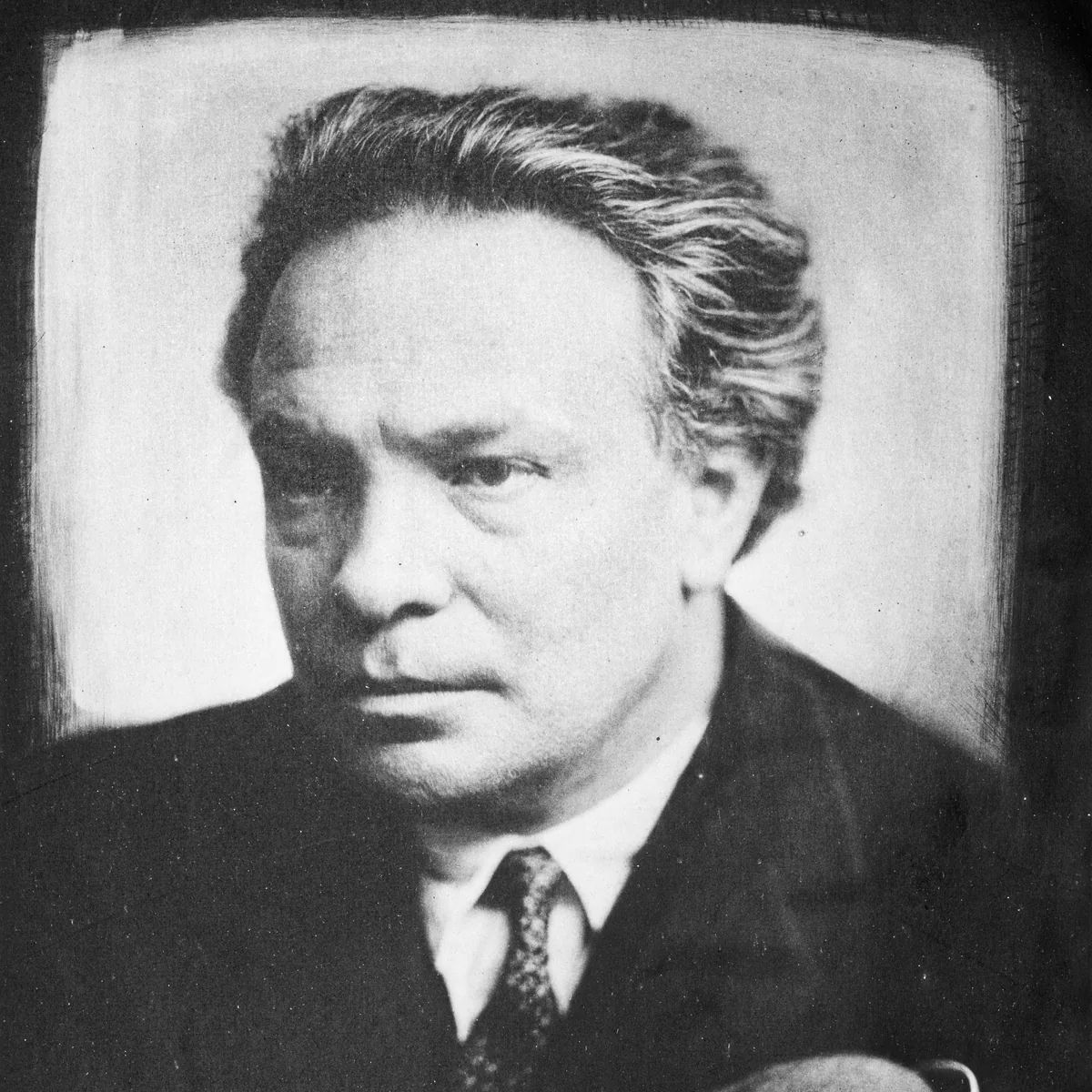
Respighi was born in Bologna and trained there as a violinist, violist and composer. In the early 1900s he played viola in the opera orchestra in Saint Petersburg and took lessons in composition and orchestration from Nikolai Rimsky-Korsakov. From 1913 he taught composition in Rome at the Liceo Musicale di Santa Cecilia, which he also directed in the mid-1920s.
Orchestral colour is the centre of his style. From Rimsky-Korsakov he learned to treat the orchestra as a set of contrasting colours, and his scores also show the influence of French impressionism, especially Ravel. A second side looks to the past: he loved Gregorian chant and the old church modes, and arranged Renaissance and Baroque lute pieces in three suites of Ancient Airs and Dances. His harmony stays tonal, enriched by chromatic and modal colour, and in 1932 he signed a manifesto against obscure modernist experiment.
Roman Festivals (Feste romane, 1928) completes his Roman trilogy after Fountains of Rome (1916) and Pines of Rome (1924). Arturo Toscanini conducted the first performance with the New York Philharmonic at Carnegie Hall on 21 February 1929. Each of its four movements pictures a different Roman festival, moving from the gladiator games of the empire through a medieval pilgrimage and an autumn harvest to the Epiphany fair in Piazza Navona. The very large orchestra includes mandolin, organ, piano and buccine, ancient Roman trumpets for which modern trumpets may stand in. Respighi said that in this score he had reached the limit of orchestral sound and colour.
What to listen for
- Circenses sets the buccine's fanfares for the gladiator games against a plainchant hymn of the Christian martyrs in strings and winds; violent chords over a held organ note end the movement.
- In Il Giubileo the pilgrims' hymn grows as they come over Monte Mario and see the city, and church bells ring out.
- La Befana fills Piazza Navona on the eve of Epiphany with Roman songs and dances and the sound of a barrel organ, in a noisy jumble.
- Near the end of La Befana a solo tenor trombone plays the part of a drunken reveller.
Sources: Ottorino Respighi (Wikipedia), Ottorino Respighi (German Wikipedia), Roman Festivals (Wikipedia), Feste romane (Respighi) (Italian Wikipedia), BBC Music Magazine: Ottorino Respighi