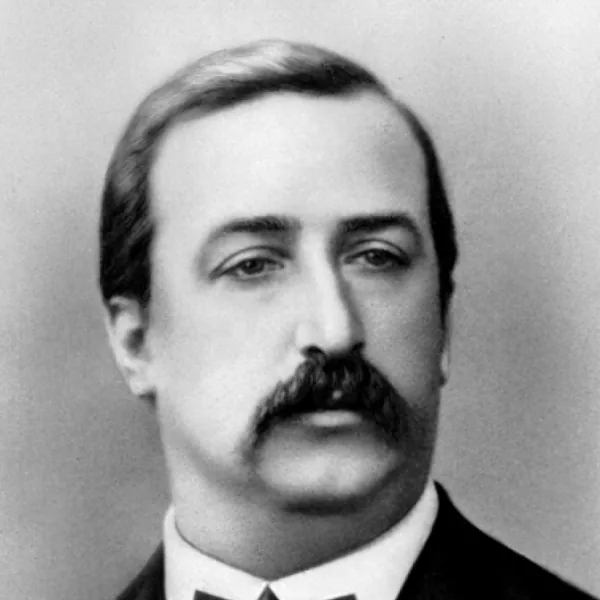
Path 16
Russian voices
From Glinka to Shostakovich: a century of Russian music, in the order it was written.
Glinka → Balakirev → Mussorgsky → Borodin → Rimsky-Korsakov → Tchaikovsky → Rachmaninoff → Scriabin → Prokofiev → Shostakovich
This guide follows Mussorgsky’s Pictures at an Exhibition (1874) in nine parts: Il Vecchio Castello, Tuileries, Bydło, Ballet of the Unhatched Chicks (minuet and trio), Samuel Goldenberg and Schmuÿle, Limoges, Catacombae (Sepulcrum Romanum) / Con mortuis in lingua mortua, Baba-Yaga and The Great Gate of Kiev.
Premium
Follow all 45 sections as they play
Marked e dolore (slow, singing and sorrowful), in G-sharp minor and a lilting 6/8. A low G-sharp sounds in the bass under almost the whole piece like a drone. After the short , a melancholy tune alternates between and sections, each coming back in varied form, like a singer repeating his song. Stasov described the picture as a medieval castle with a troubadour singing in front of it. The closes over the same drone.
Section boundaries in music are not always sharp; a transition may be felt over a pause or a held chord.
 BachBrandenburg Concerto No. 1 in F major, BWV 1046BachCello Suite No. 1 in G major, BWV 1007
 HaydnString Quartet in A major, Op. 20 No. 6HaydnString Quartet in C major, Op. 20 No. 2HaydnString Quartet in D major, Op. 20 No. 4HaydnString Quartet in E-flat major, Op. 20 No. 1HaydnString Quartet in F minor, Op. 20 No. 5HaydnString Quartet in G minor, Op. 20 No. 3HaydnSymphony No. 44 in E minor, Hob. I:44HaydnSymphony No. 45 in F-sharp minor, Hob. I:45
Path 16
From Glinka to Shostakovich: a century of Russian music, in the order it was written.
Glinka → Balakirev → Mussorgsky → Borodin → Rimsky-Korsakov → Tchaikovsky → Rachmaninoff → Scriabin → Prokofiev → Shostakovich
Reviews