Path 12
Paris around 1900
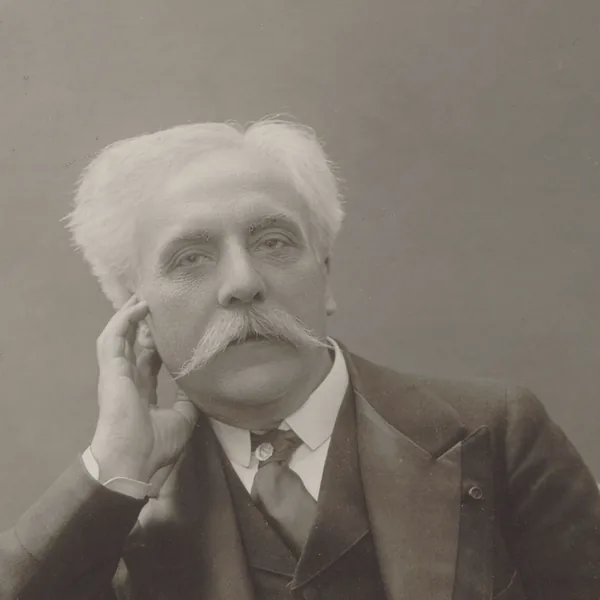
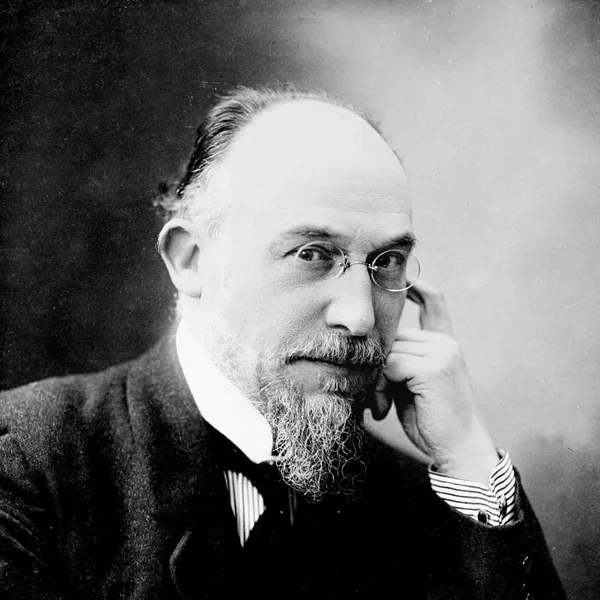
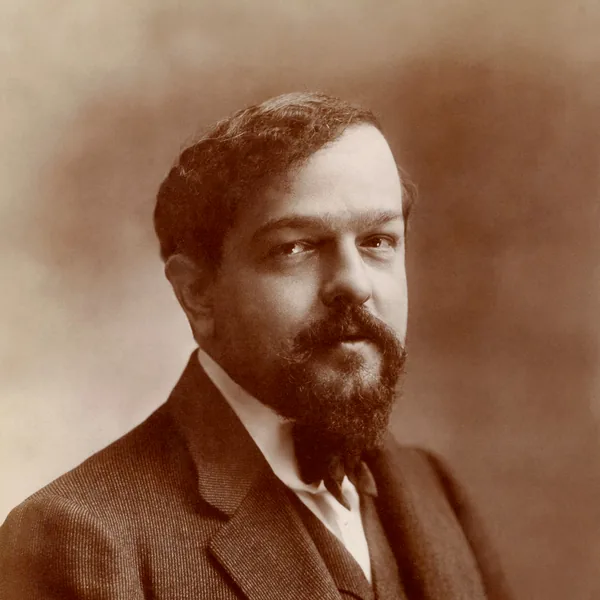
Fauré, Satie, Debussy, Dukas and Ravel, from 1887 to 1920.
Fauré → Satie → Debussy → Dukas → Ravel
This guide follows Debussy’s Prélude I/10: La Cathédrale engloutie, L. 117 No. 10 (1910) in one part.
Premium
Follow all 9 sections as they play
Hushed block chords in parallel fifths and fourths open the piece, with a repeated E in octaves like a bell, and then the enters. At the Emergence, marked “little by little emerging from the fog”, the cathedral rises, and a builds to the , fortissimo organ chords in C major. The music ebbs in the Submergence, the , and the comes back quietly, like an echo, in the final thematic . The mirrors the opening and ends on a C major chord with an added second.
Section boundaries in music are not always sharp; a transition may be felt over a pause or a held chord.
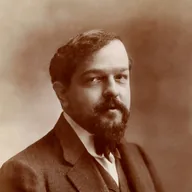 DebussyRêverie, L. 68DebussyArabesque No. 1 in E major, CD 74/1; L. 66/1DebussyDeuxième Arabesque in G major, L. 66 No. 2DebussyPour le piano, L. 95DebussyEstampes, L. 100DebussyL’Isle joyeuse, L. 106DebussyImages, Book I, L. 110DebussySuite bergamasque, L. 75DebussyImages, Book II, L. 111DebussyChildren's Corner, L. 113
Path 12
Fauré, Satie, Debussy, Dukas and Ravel, from 1887 to 1920.
Fauré → Satie → Debussy → Dukas → Ravel
Reviews