What is classical music? · Unit 3: Instruments
Keyboard instruments
A keyboard lets one player control many notes at once, but the keys do not make the sound themselves. What happens when a key goes down decides how an instrument sounds, and so what composers wrote for it. The three great keyboard instruments of classical music work in three different ways.
The organ is the oldest: an early form, in which water kept the wind steady, was built in Alexandria in the third century BC. Pressing a key lets air into a pipe. Each set of pipes has its own colour and is switched on by a , and the feet play the lowest line on a . A note sounds at full strength for as long as the key is held, so organ music can sustain long chords and build huge sounds.
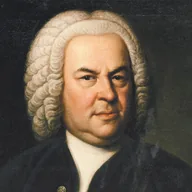 BachPassacaglia and Fugue in C minor, BWV 582
Bach’s in C minor is built on an eight-bar theme that the feet first play alone on the pedals; twenty variations follow, all built on it. In this one the theme has moved up to the top line, and the feet play a fast running line of their own: the pedals are a real keyboard.
The harpsichord plucks its strings. Each key lifts a strip of wood, the jack, with a small plectrum that catches the string. Striking the key harder makes little or no difference to the loudness, and once plucked the note can only fade. Harpsichord music is full of , other and busy figures, and on larger instruments a second or extra stops give a change of colour.
BachBrandenburg Concerto No. 5 in D major, BWV 1050In Bach’s time the harpsichord usually stayed in the background, filling in the harmony. In his Fifth Brandenburg Concerto Bach made it a soloist beside the flute and the violin, and as the first movement goes on it takes over: here its fast runs lead into a long . Richard Egarr plays a harpsichord made by Johannes Ruckers in Antwerp in 1640: listen for the bright, plucked attack of every note, which no touch can make louder or softer.
The piano strikes its strings with felt-covered hammers that bounce straight back, so the player controls the loudness with the speed of the finger. Dampers silence each string when its key is released; the right pedal lifts them all, so that notes keep ringing and blend. Over the nineteenth century the piano grew from about five octaves to more than seven, gained an iron frame and a much bigger sound.
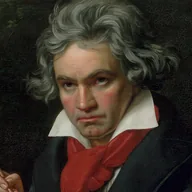 BeethovenPiano Sonata No. 8 in C minor, Op. 13
Beethoven’s Pathétique Sonata of 1798 begins with a slow introduction marked . The opening chords are struck loud and followed at once by soft ones, and sudden changes between very loud and very soft run through the whole introduction. On the piano the player makes them by touch alone; on a harpsichord touch could not make them.
Much keyboard music is now played on a different instrument from the one it was written for: Bach’s harpsichord works are often heard on the piano. Knowing the original instrument explains a great deal, from the ornaments of the harpsichord to the held chords of the organ.