What is classical music? · Unit 4: Kinds of work
Short piano pieces
The piano was invented around 1700 by Bartolomeo Cristofori in Florence; its full name, pianoforte, means soft-loud, which is exactly what its hammers allowed and the harpsichord could not do. By 1800 it was the most important instrument for music at home and in the concert hall.
Besides sonatas, composers wrote a great many single pieces for it, most of them short and often published in sets: this is the rest of . Many are character pieces, each holding one mood or idea, and the title tells you which.
A is a night piece: a singing melody over a broken-chord accompaniment, a type the Irish composer John Field began and Chopin made his own. A , French for trifle, is short and light. An étude, a study, works at one skill, although Chopin’s études are concert pieces too. An sounds as if made up on the spot, a states one idea and stops, and dances such as the and the became pieces for listening.
The same singing style lives inside larger works. Beethoven marked the slow movement of his Pathétique Sonata Adagio , slow and singing. One long melody comes back three times between two contrasting episodes, so the returning melody is the landmark.
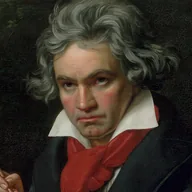 BeethovenPiano Sonata No. 8 in C minor, Op. 13
The melody begins in the middle of the keyboard with a soft, flowing accompaniment just below it, so one pianist has to make the tune sing above its own background. Then it is heard again an octave higher.
Schumann’s first twenty-three published works are all for piano, many of them sets of character pieces such as Carnaval and Kinderszenen. When he turned to song, the piano kept the last word: many songs of his cycle Dichterliebe end with a piano , a short piano piece in all but name.
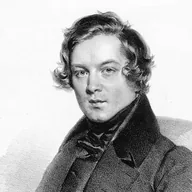 SchumannDichterliebe, Op. 48
The voice falls silent and the piano plays on alone for ten bars. Schumann liked this music enough to bring it back, in another key, in the long postlude that closes the whole cycle.